
Limited Company vs Sole Trader





Choosing the Right Structure for Your Business
One of the most important decisions a business owner can make is choosing the right legal structure. Operating as a sole trader or forming a limited company affects how you pay tax, how much risk you take on personally, and how your business is perceived by others. Quantum Bookkeeping helps business owners understand these differences clearly so decisions are based on facts rather than assumptions.
There is no universally “better” option. The right structure depends on income level, risk exposure, future plans, and how much administrative responsibility you are comfortable with.
Understanding What It Means to Be a Sole Trader
A sole trader is the simplest business structure in the UK. You and the business are legally the same, which means you keep all profits after tax but are also personally responsible for any debts or liabilities.
Sole traders register directly with HM Revenue & Customs and report income through Self Assessment. This structure is often attractive to new businesses and self-employed individuals because it is straightforward and easy to manage.
Understanding What It Means to Run a Limited Company
A limited company is a separate legal entity from its owners. This separation creates a clear distinction between personal and business finances, offering protection if the company runs into financial difficulty.
Limited companies must be registered with Companies House and are subject to more formal reporting requirements. While this structure involves more administration, it also provides greater flexibility and long-term planning opportunities.
Comparing Tax Treatment Between the Two Structures
Tax is often the deciding factor when comparing sole trader and limited company status. Sole traders pay Income Tax and National Insurance on profits, which increase as earnings rise.
Limited companies pay Corporation Tax on profits, and directors then pay tax on income taken from the company. This can allow for more efficient tax planning as profits increase, but it also requires careful record keeping and compliance.
Personal Risk and Liability Considerations
Risk exposure is a key difference between the two structures. Sole traders have unlimited liability, meaning personal assets may be at risk if the business faces debts or claims.
Limited companies offer limited liability, reducing personal exposure. This can provide reassurance for business owners operating in higher-risk industries or taking on larger contracts.
Get in touch with us today for further information

01273 044170
Administrative Responsibilities Compared
Sole traders benefit from lighter administration. Record keeping and annual Self Assessment reporting are usually sufficient, making this structure easier to manage independently.
Limited companies face more complex responsibilities, including annual accounts, Corporation Tax returns, and ongoing statutory filings. While more demanding, these requirements also bring structure and clarity to business finances.

How Each Structure Affects Cash Flow
Cash flow behaves differently depending on structure. Sole traders typically withdraw money as needed, but must plan carefully for tax payments.
Limited companies can retain profits within the business, allowing for greater flexibility in managing cash and planning for future investment or growth.
Perception, Credibility, and Professional Image
How your business is viewed by clients, suppliers, and lenders can vary depending on structure. Limited companies are sometimes seen as more established or credible, particularly for larger contracts or commercial work.
That said, many sole traders operate highly successful and professional businesses. The right structure depends more on suitability than perception alone.
Our YouTube Channel
Our Services
What we can offer
Bookkeeping
Click to view all services
XERO
Click to view all services
VAT Returns
Click to view all services
CIS Returns
Click to view all services
Happy to help you with all your accounting needs. Contact us today for more information.
Self Assessment Tax Returns
Click to view all services
Company Formations
Click to view all services
Company Accounts
Click to view all services
Corporate Tax Returns
Click to view all services
Bringing Other People Into the Business
If you plan to work with partners, investors, or family members in the future, structure matters. Sole traders cannot share ownership without restructuring the business.
Limited companies make it easier to allocate shares or adjust ownership, offering flexibility as circumstances change.
Planning an Exit or Change in Direction
Business structure can also affect how easy it is to sell or exit the business later on. Sole traders usually sell assets or goodwill, which can be less straightforward.
Limited companies may be sold as a whole through share transfers, making succession or exit planning simpler in some cases.


Switching From Sole Trader to Limited Company
Many businesses start as sole traders and incorporate later as income increases. This transition needs to be handled carefully to avoid tax complications or disruption.
Quantum Bookkeeping helps business owners understand when incorporation may be beneficial and how to approach the change smoothly and confidently.
Ongoing Compliance and Record Keeping
Both structures require accurate record keeping, but the level of detail differs. Sole traders focus on income and expenses, while limited companies require more formal records and reporting.
Quantum Bookkeeping supports both structures, ensuring records remain clear, compliant, and manageable regardless of how your business is set up.
Understanding Costs Versus Benefits
Limited companies often involve higher ongoing costs due to additional reporting and compliance. However, these costs may be offset by tax efficiency and long-term benefits.
Sole traders generally face lower costs but may experience higher tax exposure as profits grow. Balancing cost against benefit is key.
Choosing Based on Your Personal Priorities
The right structure depends on more than numbers alone. Lifestyle preferences, risk tolerance, administrative capacity, and future plans all play a role.
Quantum Bookkeeping helps you weigh these factors clearly, ensuring your choice supports both your business and personal goals.
Reviewing Your Structure as Your Business Evolves
Your initial choice does not need to be permanent. As income, workload, or goals change, it may make sense to review whether your current structure still fits.
Regular reviews help ensure your business setup continues to work for you rather than against you.
Removing Confusion Around a Common Decision
Many business owners delay making a decision because the differences feel confusing or overwhelming. Clear explanation removes uncertainty and helps decisions feel manageable.
Quantum Bookkeeping focuses on clarity, not pressure, helping you understand the implications of each option.
Why Accurate Bookkeeping is the Foundation of Successful Tax Planning
Effective tax planning starts long before the end of the financial year. While many business owners focus on deductions and allowances when tax deadlines approach, the real key to minimising liabilities and staying compliant lies in year-round accurate bookkeeping....
Budgeting Made Simple: A Practical Guide for Small Business Owners
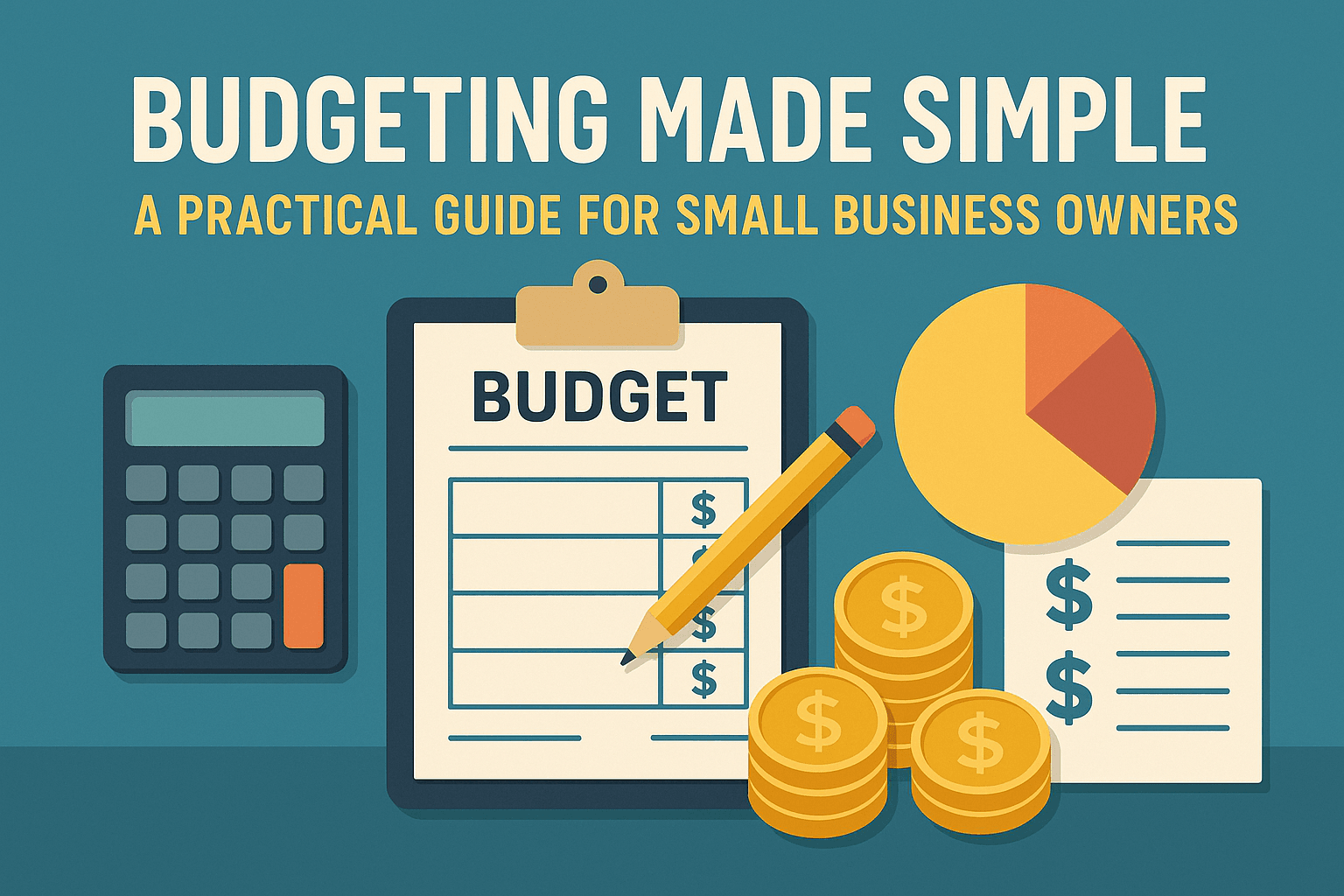
For many small business owners, budgeting can feel like a daunting task. Yet, having a clear financial plan is essential for stability, growth, and avoiding unnecessary stress. A well-structured budget helps you understand where your money is going, anticipate future...
How Regular Financial Reporting Can Drive Better Decision-Making
Running a business without up-to-date financial information is like driving without a map — you might still move forward, but you risk heading in the wrong direction. Regular financial reporting gives you the insight needed to make informed decisions, manage risks...
Decoding Profit Margins: How to Measure and Improve Business Performance
Profit margins are one of the clearest indicators of a business’s financial health. They show how much of your revenue remains after covering costs, and they help you assess whether your pricing, expenses, and operations are aligned for profitability. Understanding...
Cash Flow Management Strategies Every Business Owner Should Know
Cash flow is the lifeblood of any business. Even if your company is profitable on paper, poor cash flow management can lead to missed opportunities, mounting debt, and in extreme cases, business failure. Understanding and applying effective cash flow strategies can...

The Financial Benefits of Outsourcing Your Payroll
Managing payroll in-house can be a complex and time-consuming task for small business owners. Between calculating wages, deducting taxes, complying with legislation, and issuing payslips, it’s easy for mistakes to creep in — and those mistakes can be costly....
Making an Informed, Confident Choice
Choosing between a limited company and sole trader structure is a strategic decision. The right choice supports stability, growth, and peace of mind.
With accurate information and supportive guidance, you can move forward confidently knowing your structure aligns with your business ambitions.
Frequently Asked Questions (FAQs)
What services do you offer?
We provide a range of accounting services including bookkeeping, tax preparation, payroll management, and financial consulting.
How can I schedule a consultation?
You can schedule a consultation by calling our office, emailing us, or using the contact form on our website.
Do you offer services for individuals as well as businesses?
Yes, we offer tailored accounting services for both individuals and businesses.
What are your fees for accounting services?
Our fees vary depending on the service and the complexity of your needs. Contact us for a personalised quote.
Are your accountants certified?
Yes, all our accountants are fully certified and have extensive experience in the field.
How do you handle my confidential financial information?
We adhere to strict confidentiality protocols and use secure systems to protect your financial information.
Can you help with my tax returns?
Absolutely. We offer comprehensive tax preparation and filing services to ensure compliance and maximize your returns.
Do you provide accounting software support?
Yes, we can assist with setting up and managing various accounting software systems.
What industries do you specialise in?
We have experience in a wide range of industries, including retail, hospitality, construction, and more.
How can I contact you for support or questions?
You can reach us via phone, email, or through the contact form on our website. Our team is ready to assist you with any inquiries.